XCOM is a turn-based tactics game that I’d consider one of my favorite series, but without a release worth mentioning since 2017 it’s a little weird that I haven’t gone out of my way to play similar games outside of Chaos Gate Daemonhunters. Star Wars is a sci-fi franchise that I generally enjoy but it’s a little weird that I haven’t been more actively engaged with a lot of Star Wars content lately. Fortunately here’s Star Wars: Zero Company, selling itself as an XCOM game with a Star Wars skin, to solve both problems at once. And unlike the other franchise games I’ve been playing recently, this one seems like it actually has the potential to go the distance.
For the uninitiated, XCOM is an alien invasion franchise where you’re the commander of a military unit trying to research and overcome the aliens attacking Earth. It is known for its tactical, positional gameplay that is based around weapon percent-chance to hit and hiding your units in cover to avoid enemy strikes due to its permadeath should any soldiers fall in combat. The tension brought on by missing 90% chances to hit while hitting 30%ers and half your squad dying from taking cover behind a burning car has been an atmosphere I’ve enjoyed since the XCOM reboot in 2012, and Zero Company handles the basics pretty well. Set during the Clone Wars you’ll lead a band of mercenaries fighting criminal gangs and Separatist droids as Hawks, your traditional Star Wars scoundrel character, and the titular Zero Company. Combat is turn-based, taking cover is essential, and if a character dies they’re gone forever, which is everything you’d hope to see in a game in the same genre as XCOM.
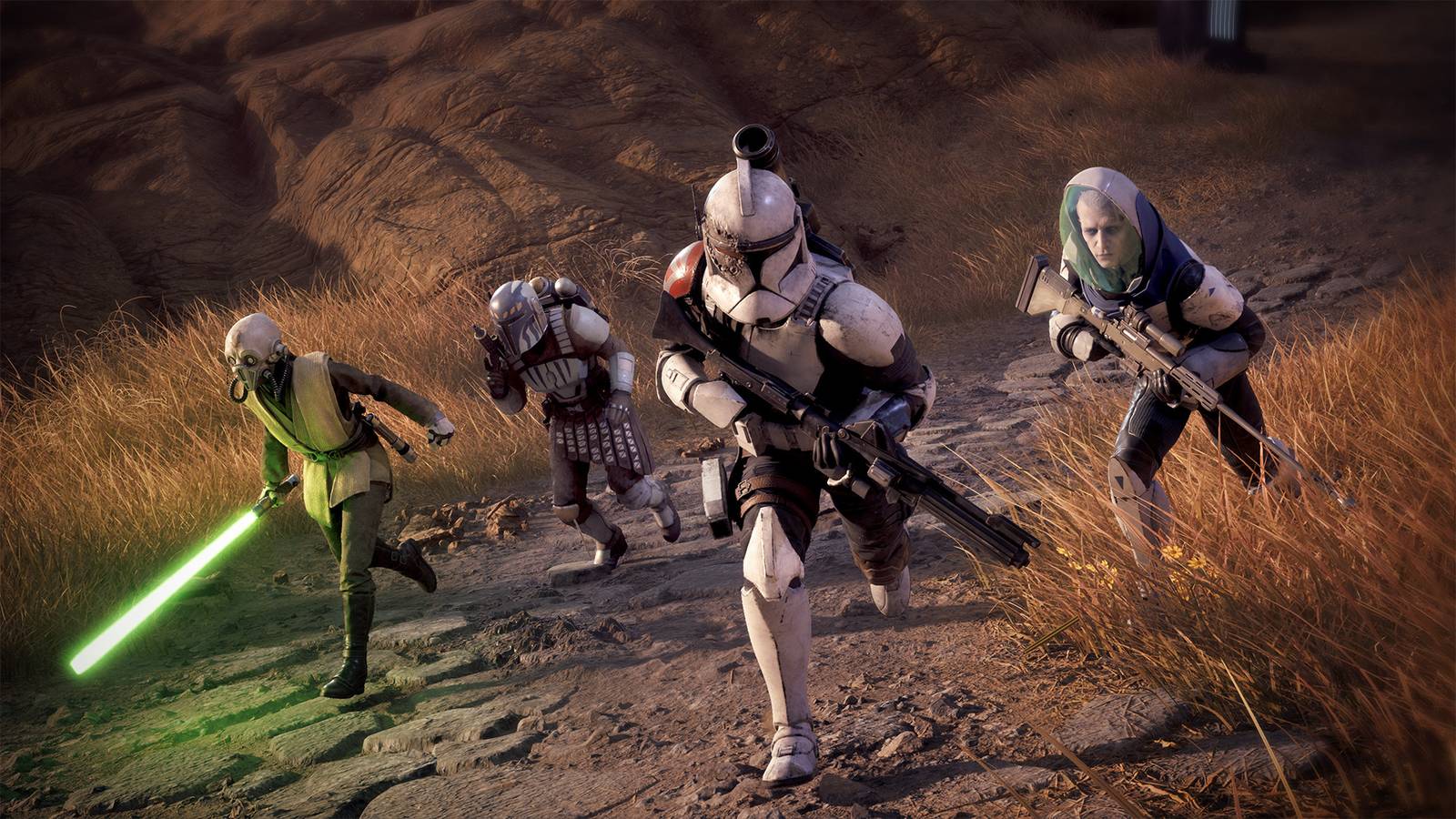
The nuance of course comes in what they’ve done differently. There’s a ton of little differences between the two games but the most publicized is how a large portion of your mercenary group are actually “real characters” compared to XCOM ‘s mostly just generic soldiers. As such in Zero Company you’ll have the usual Star Wars tropes of a clone trooper, a princess that knows how to handle a gun, a Jedi apprentice, etc join your mercenary unit as unique characters all with their own voice actors, dialogue, and side quests to complete, but even as “canon” characters they can still die during missions and take their unique abilities with them. It’s a nice change of pace in a game like this to have pre-built characters with personalities that are more than the ones you project upon XCOM ‘s soldiers, and Zero Company leans into it even harder with an influence system similar to what you might find in Knights of the Old Republic or Baldur’s Gate 3. Actions in combat, going on missions together, and the choices made during those missions can influence Hawks’ relationship with these characters and their relationships with each other, with special bonuses unlocking as your relationships deepen.
The problem with this influence system is that having conversations with these characters between missions and gaining bonuses for being friends with them has led to many people making comparisons to Mass Effect (or like I just did with KOTOR and BG3), when it is actually much more shallow than that. While you can talk to these characters the actual amount of dialogue CHOICES you make during these scenes is actually quite infrequent, so it’s less the RPG dialogue system you’d expect when you hear “Mass Effect.” Instead it’s more just mini-cutscenes where two characters talk about something and once every dozen or so conversations you’re prompted to pick a reaction that’s either supportive or critical which may or may not give you a few more influence points. If anything this is more of a stripped down version of Fire Emblem: Three Houses, with little in the way of dialogue trees and character bonds being boosted due to actions in combat, but most people scrolling through clickbait videos would probably recognize Mass Effect before Fire Emblem so here we are.
I’ll get back to being positive in a minute, but since we’re talking about “stripped down” systems it’s worth noting that Zero Company really lacks the atmosphere of discovery and advancement that XCOM has. In XCOM you’re constantly researching new technological advancements to get better gear while leveling up your soldiers to gain special abilities that can completely change how you play. As such every return home after a mission in XCOM is exciting, since it means a chance for a powerful new ability or maybe you’ll finally have enough resources to start researching laser weapons. Zero Company has very little of this feeling unfortunately, as most level ups or base research upgrades are just flat number upgrades which I cannot get excited about at all.
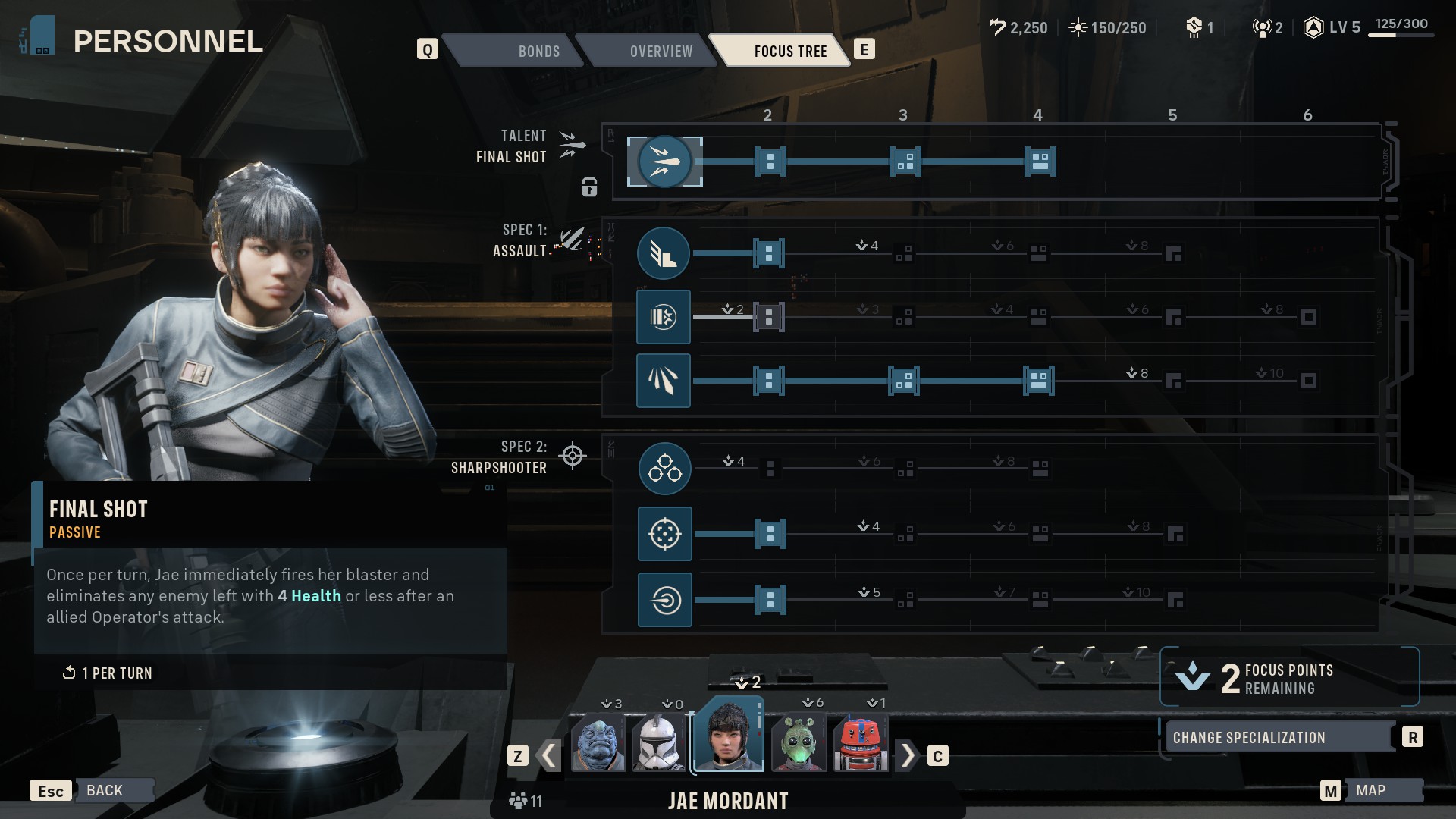
Consider for a moment which is more interesting: learning an attack that lets you use a pistol to shoot at every enemy you can see or gaining +2 damage for melee attacks? How about free melee attacks against any enemy that gets close to you compared to 3% increased critical hit chance? In case the context clues weren’t obvious the former are abilities you learn when you level up in XCOM 2 and the latter are the sort of rewards you can expect from the various ways to level up in Zero Company. To be fair Zero Company has your characters inherently know all of their special attacks from the outset, so all there is to do is juice them up with higher stats and the occasional bonus status effects. That being said just because there’s solid reasoning doesn’t make it any more interesting. The upgrades for your dilapidated base also aren’t much better, where XCOM ‘s strategy of clearing out debris and strategically placing rooms is replaced with just a check mark list that gives marginal bonuses to weapons and other benefits that are useful but not memorable. It’s not a deal breaker when playing and as I said they have “good reasons” for at least some of these choices, but it makes leveling up the least interesting part of the game and hurts any feeling of progression these sorts of games thrive on.
When it comes to thriving Zero Company clearly put a lot of time into their combat design, as that’s where you’ll find the most innovations compared to other games in the genre. Perhaps the most notable is the “advantage” system, a resource bar that is filled up by dealing damage to enemies and fuels various free actions during combat. It’s easy to dismiss this as an “ultimate ability” button from hero shooters and for some characters/classes it is, as it is used for things like rocket launchers and other AOE attacks, but the more utility-focused classes can use only a few points at a time for small bonuses. Extra actions, enemy debuffs, flying across the map on a jetpack, etc are all things that can be accomplished with advantage, but the real highlight here is that it’s a FREE ACTION.
Anyone with experience in turn-based games can tell you that free actions are a huge deal, and Zero Company doesn’t shy away from messing around with the number of player actions you have and what they can be used for. Traditionally in XCOM games (or just non-JRPG turn-based games in general) every unit has a move action and an attack action per turn, but Zero Company gives every character three action points (AP) that can be used for a variety of things other than just moving and attacking. Frequently you’ll use one AP to reposition, one AP to fire your weapon, and one AP to use a special ability to help out other parts of the turn. You could even fire your weapon multiple times, though the game does balance slightly in that half the weapons require two AP to fire a second time, so you’ll usefully be sacrificing doing anything else outside of advantage abilities if you want to attack twice. On top of all of this is the absolutely insane “backup” ability where one character of yours per turn gets the ability to ask another character to back them up for one attack, boosting the bond between the characters and simply letting the designated character attack for free.
So there’s free attacks, free AOE power abilities, free debuffs, and the ability to attack multiple times a turn on your own merits. There’s even a greater emphasis on weakening enemy positioning with abilities like punches and Force pushes that knock enemies out of cover to make them easier to hit. All of which is to say that you’re able to deal a LOT of damage very quickly in Zero Company, but for better or for worse the game is also designed with that in mind. Most enemies are far more durable than anything you’d usually see in a game in this genre, with dozens of hitpoints requiring at least four attacks before they go down. This isn’t necessarily a problem at a concept level, as so many of these games have durable enemies, but these should be things like destroyer droids and the like; capstone enemies that you encounter a few at a time during a mission. Not every non-standard battle droid enemy should take over three hits to kill, especially when Zero Company limits you to four squad members throughout the game. You can get additional members during certain scripted missions but as a whole you only have four slots, which really starts to feel unwieldy as you get more and more named characters and fight stronger and stronger enemies while still only going in with four soldiers. So again there’s a lack of feeling meaningful personal progression, even if the number of your actions and free abilities do usually make up the difference.
The durable enemies get especially rough when fighting the Coil, the relatively unique cult enemies that are the primary antagonists of Zero Company. They’re nice as an enemy because they’re not really something we see often in Star Wars: a zealous cult that is NOT tied to the Force at all but instead a weird disease that is transmitted between “the worthy.” Kill a member of the Coil in combat and their disease spreads to their neighbor, with enough disease stacks supercharging an enemy’s health, damage, and special abilities. What this means is that an enemy that dies in 4 attacks will die in 7 attacks, assuming you haven’t wasted shots on him already which will heal after he’s fully infected. It’s especially irritating because there isn’t really a counter strategy to stop the infection from spreading other than throwing enemies into bottomless pits so they die “too far away” to spread their infection. But naturally not every map has a bottomless pit and you won’t always have your Jedi with you to easily enable that sort of kill.
Another strategy against Coil can be limiting the harm of the infection spreading by trying to make sure the supercharged unit is the least impactful enemy type on the field. Unfortunately that leads into Zero Company combat’s other weakness: enemy variety. This might be a limitation of being in the Star Wars universe itself but there simply aren’t a lot of enemy types to contend with, and what variety there is isn’t very memorable. While the Coil as a faction are interesting the units at a base are just “guy with gun,” “guy with stick,” or “guy who empowers other guys,” with very little to visually distinguish them from each other. The mercenary factions you occasionally fight are even worse since they’re just half the unit variety of Coil but without the disease powers, and the Separatist droids at least are visually interesting but outside of destroyer droids they really don’t have much interesting going on either in terms of unit actions. Super battle droids get a free rocket attack every other turn but it’s the most telegraphed thing in the world and barely does any damage while the B1 droids just mindlessly walk forwards and die in one hit to almost anything. So that’s an AI win at least, but compared to the XCOM aliens where each has its own visual style, special kinds of attacks, and feels like a continuing escalation of their threat to humanity, it’s hard to feel the same engagement when fighting just another group of droids and mercs.
As I said earlier Coil does present an opportunity to tell a different sort of Star Wars story, but since this is the Clone Wars they are of course allied with the Separatists. This creates the usual problem in most “mercenary for hire” stories that despite being a band of mercenaries flying no flag and made up of people on both sides of the conflict you will basically never oppose the “good guys.” To the game’s credit the members of Hawks’ team from the Separatist part of the galaxy do call him out on it, but outside of the VERY rare cutscene there is little conflict in your group about always helping the Republic. Your squad is also mostly absent during mission cutscenes because they didn’t decide to include any since every character except Hawks able to die at any point, which is another point against the Mass Effect comparisons. You do occasionally get a text-based mission where you can choose to turn something over to the Seps or a criminal organization instead of the Republic, but it’s a weak way to have a “balanced” mercenary story. Outside of that though the characters are relatively well written and voiced, even if the writing occasionally falls a little more on the quippy side at times. Most of these quips are generally from just one character who isn’t out with you on missions, and there’s genuinely some great writing during the game’s more tense/somber moments.
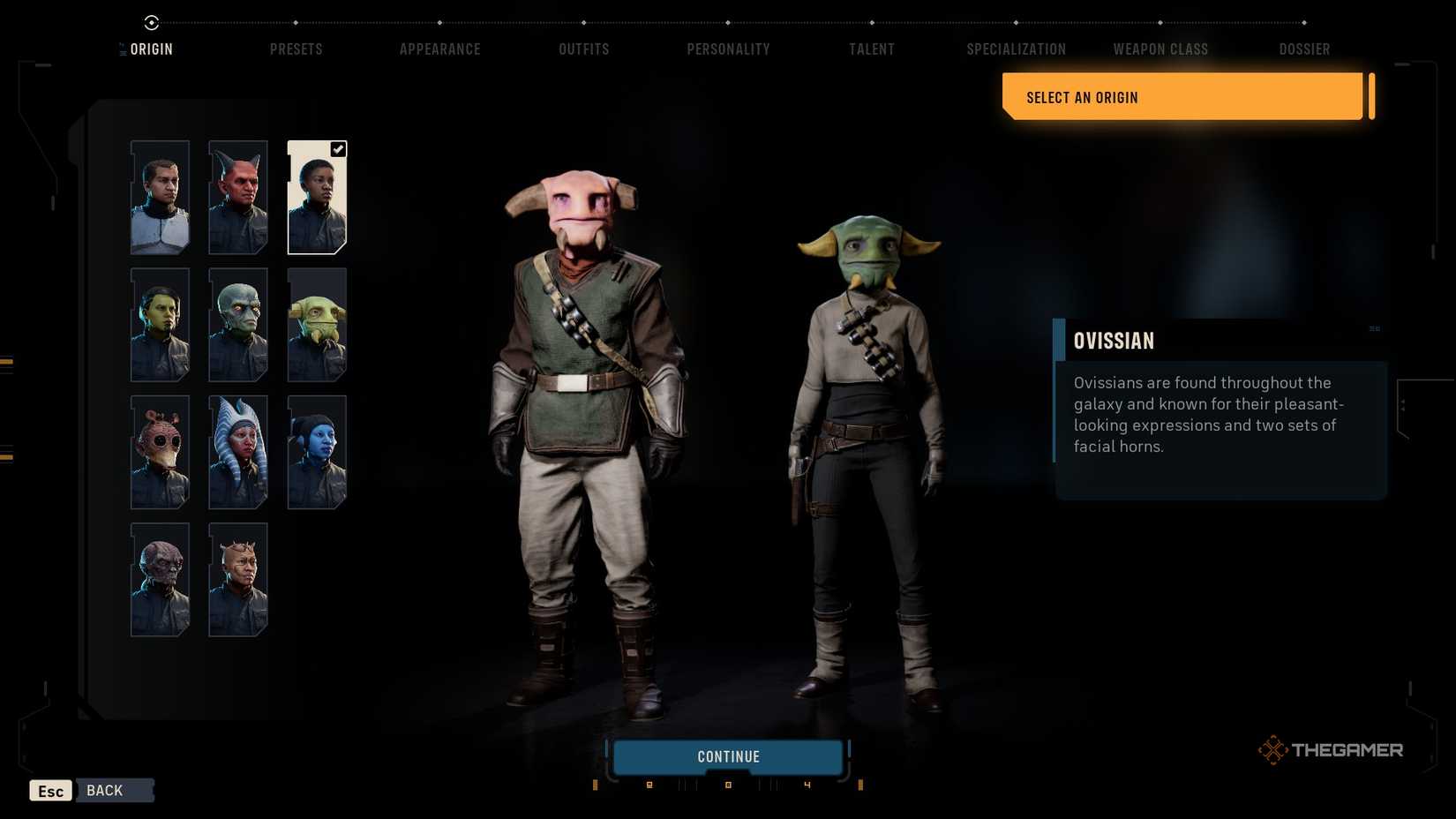
So if Zero Company‘s gameplay is good if a little flat-footed and the story has unique enemies and is relatively well put together… why did the game only just barely break through to 80% positive reviews on Steam? That would be the EXTENSIVE number of technical issues that Zero Company launched with and unfortunately may never be fully fixed. Frame rates stutter, primarily through the game’s “wandering around” sections between missions, requiring most players to turn off “environment geometry detail” in settings to have any decent amount of frames. If you’re on PC then regardless of your settings you’ll NEED to turn the shadows to “high” or else any shadow will just be a huge dark splotch, especially on customization screens. And these settings issues are on top of the fact that the game makes my computer run hotter than Battlefield 6 and Baldur’s Gate 3 despite looking much worse than both games (on medium settings).
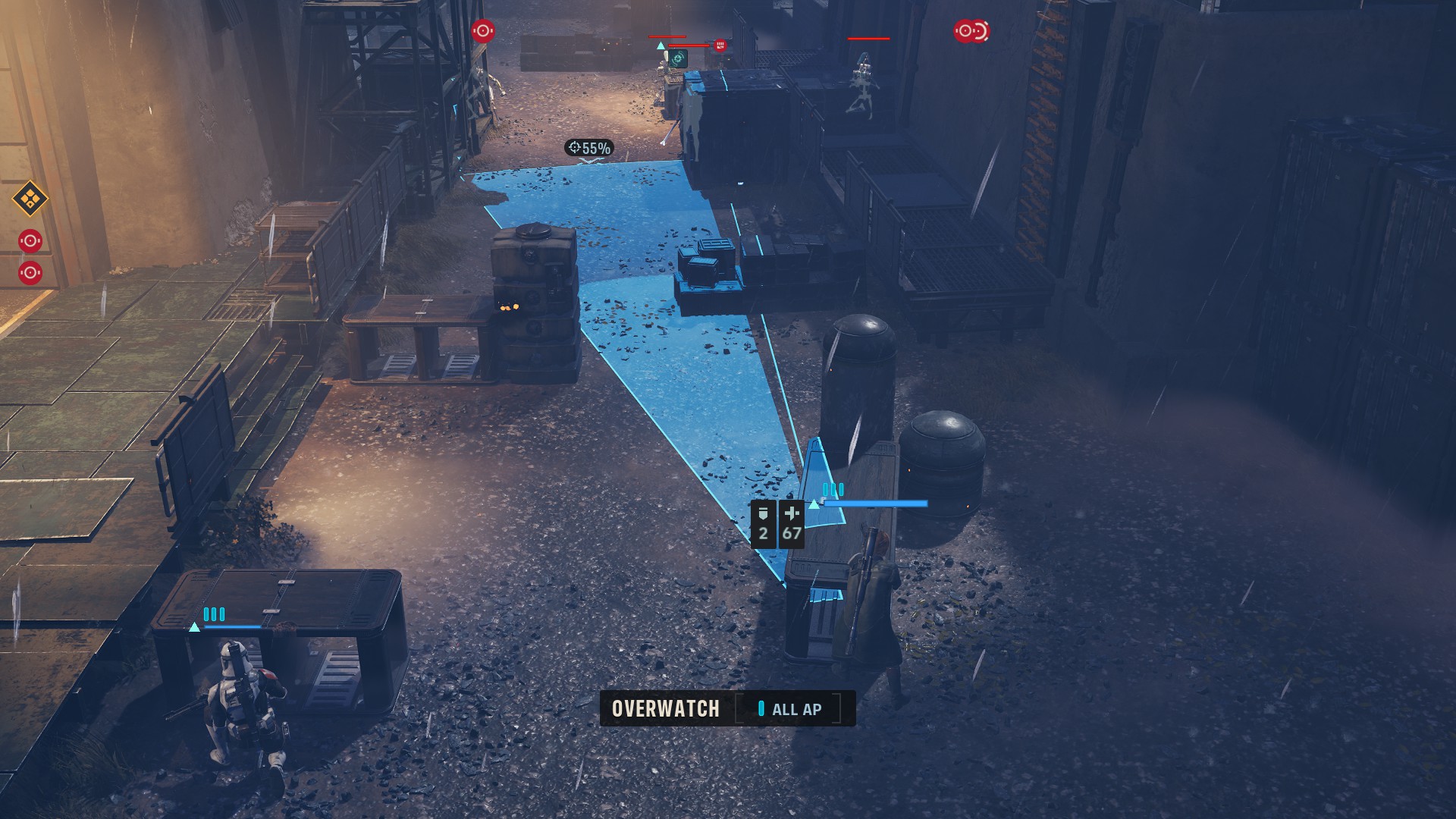
There’s other visual glitches I could mention, such as cosmetic items missing textures until you actually equip them or cutscenes having severe texture pop-in and Hawks being invisible in one for some reason. But there’s one gameplay glitch that really gets under my skin: the overwatch ability I mentioned earlier sometimes simply doesn’t work. At least once per mission I experienced enemies freely moving through my firing sights without penalty, generally at the worst possible times. Never happens to the enemy, of course, and with games like these that are keeping track of so much there’s always a possibility there’s a background process determining your character would miss and so the animation doesn’t play. However without telling the player that it’s just simply a glitch, and it’s incredibly frustrating when a strategy is thrown out the window because the game just decides your trap doesn’t work.
There’s also a very weird problem where Zero Company seems to have a completely broken save file system. It took me a while to figure out exactly what the problem was, but it appears that you can create new save files no problem but overwriting exciting save files makes the save file disappear. You can save new files to your heart’s content, even giving them all the exact same name since Zero Company never complains about that, but the second you overwrite a file it just vanishes, which I don’t think I’ve ever seen before. It speaks to a level of technical incompetence that is actually painful to me, and as I implied earlier many of these issues may never be fixed because they furloughed almost the entire team that made the game just before launch. The studio said they’d “like” to bring everyone back now that Zero Company is reviewing well, but there isn’t anything stopping EA from just taking the money and running, leaving Zero Company in a chopped state it doesn’t deserve. (NOTE: a few days ago Zero Company released a large patch list claiming to target many fatal crashes and bugs, so there might be some hope here. However the very next mission I played I had an enemy shoot without reaction from my overwatching unit, so there’s a long way to go.)
Star Wars: Zero Company isn’t better than XCOM or XCOM 2, but outside of its technical issues it’s a fun, occasionally very imbalanced game that nails the core of turn-based strategic combat but fails to fully grasp the other factors of what makes XCOM so compelling. That being said there are a lot of reasons to check out Zero Company despite XCOM being a better experience overall, if you’re willing to overlook spotty framerates/textures and the overwatch mechanic not always working. The reasons are obvious if you’re a Star Wars fan, but I think anyone that’s interested in XCOM ‘s gameplay but are intimidated by it’s reputation would find Zero Company is a fantastic place to start. The extra durability of your units, ability to even turn off permadeath in the settings, and a team full of real characters rather than blank soldiers can be a great onboarding point before moving into the more complicated tech trees, unfair deaths, and roleplaying soldier personalities of XCOM proper. On the other hand if you ARE someone who has played XCOM already and is looking for something to perfectly fill the nine year void… then Zero Company isn’t that. However it has enough of its own ideas that I think it’s worth a look as long as you’re forgiving of the rougher edges.