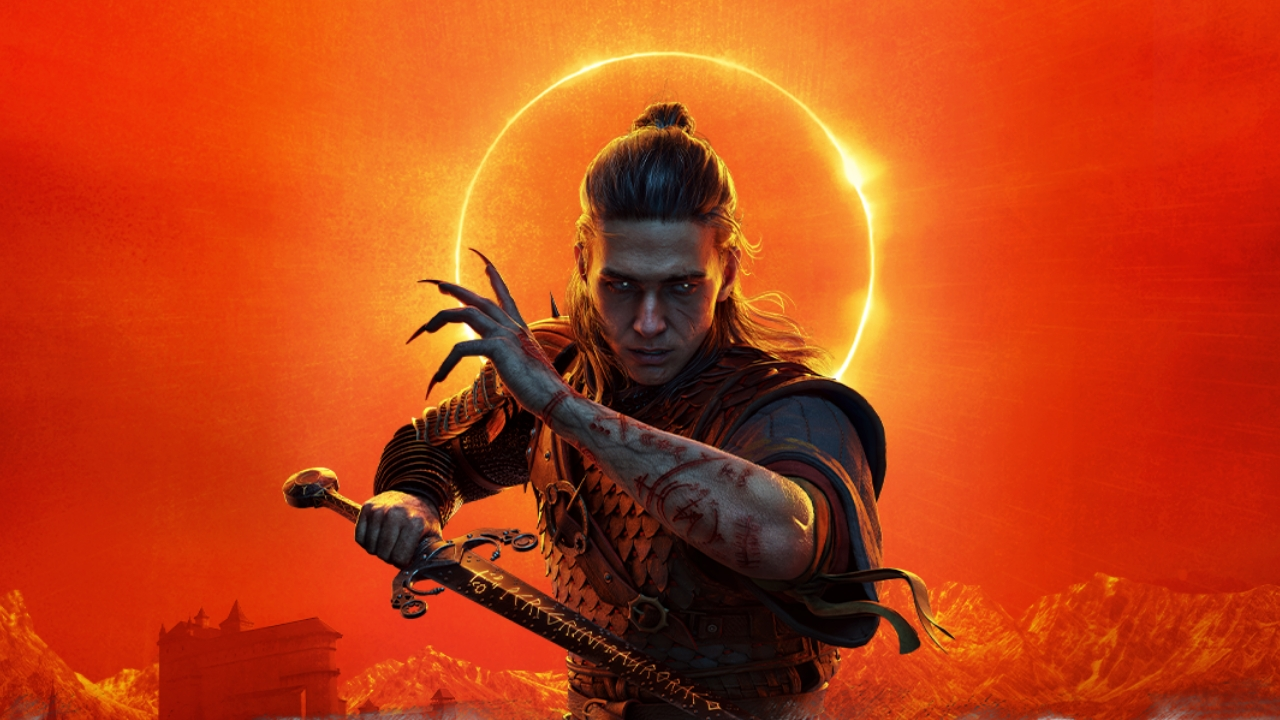
The Blood of the Dawnwalker Review
There’s always some level of caution to be had when you see the phrase “from the creator of” or “the team behind” in any piece of media, but it can be especially painful when it comes to video games. Budgets, creative vision, time tables, and internal support can all be lacking regardless of the name(s) attached, which is why for every Bayonetta or Star Wars Zero Company there’s a Mighty No. 9 or Devil’s Third. This is why new studio Rebel Wolves’ game The Blood of the Dawnwalker wasn’t a sure thing, despite the team made up of people that worked on Witcher 3 and Dawnwalker clearly shooting for a similar RPG experience. Let’s see if they managed to deliver, especially given the crowded release schedule this fall that makes it even harder to stand out. I was going to sweeten the pot a little before jumping right into it…
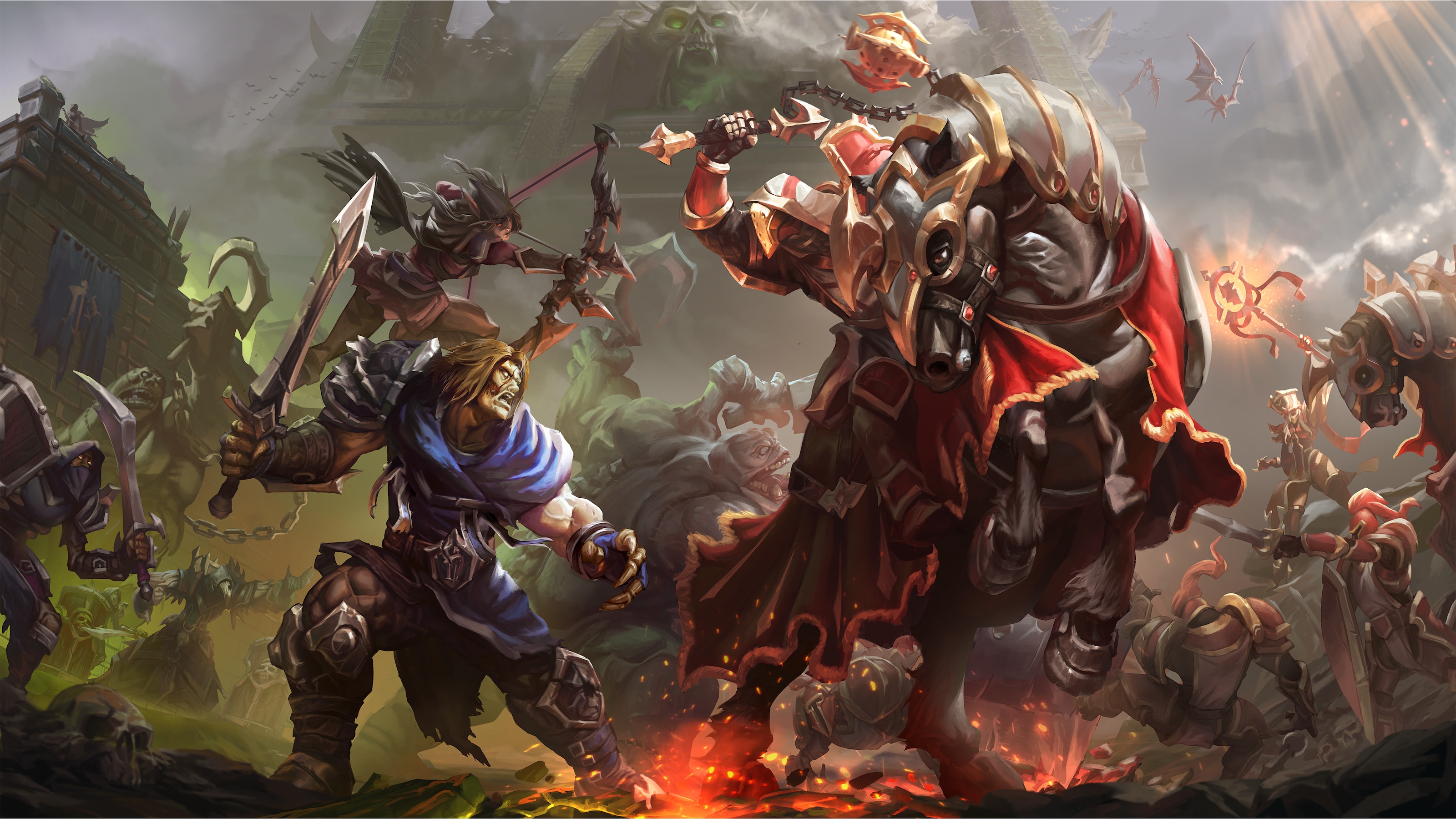
Warcraft III: Forsaken Kingdom Impressions
Warcraft III has a complicated legacy, despite being one of the best real-time strategy games of all time. The success of its lore and hero mechanics helped fuel interest in World of Warcraft, and indeed it was so successful that it doomed the franchise to never get a Warcraft IV. Said hero mechanics revolutionized what you could do with those units in an RTS game, fueling countless custom games in the community. Unfortunately one of those was DOTA, which was so popular it led to League of Legends, which proved that forcing players to pay for characters and cosmetics was a sustainable business model, and here we are with modern free-to-play and microtransaction hellscapes. Perhaps most infamous of all was 2020’s Warcraft III: Reforged, an attempt to remaster the game similar to Blizzard’s StarCraft remaster several years before, only far more ambitious than widescreen support and clearer unit models. Blizzard…
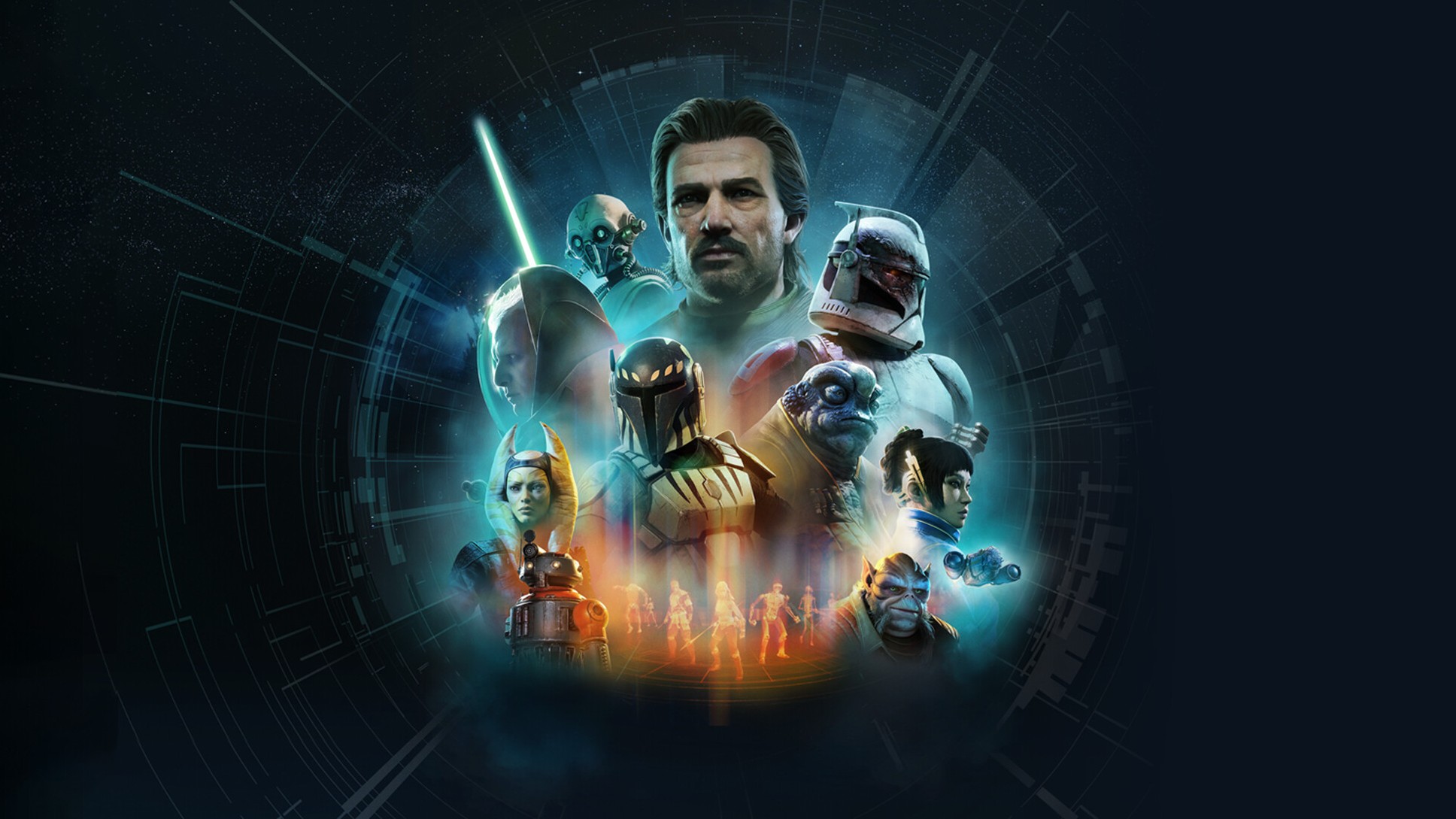
Star Wars: Zero Company Review
XCOM is a turn-based tactics game that I’d consider one of my favorite series, but without a release worth mentioning since 2017 it’s a little weird that I haven’t gone out of my way to play similar games outside of Chaos Gate Daemonhunters. Star Wars is a sci-fi franchise that I generally enjoy but it’s a little weird that I haven’t been more actively engaged with a lot of Star Wars content lately. Fortunately here’s Star Wars: Zero Company, selling itself as an XCOM game with a Star Wars skin, to solve both problems at once. And unlike the other franchise games I’ve been playing recently, this one seems like it actually has the potential to go the distance. For the uninitiated, XCOM is an alien invasion franchise where you’re the commander of a military unit trying to research and overcome the aliens attacking Earth. It is known for its…
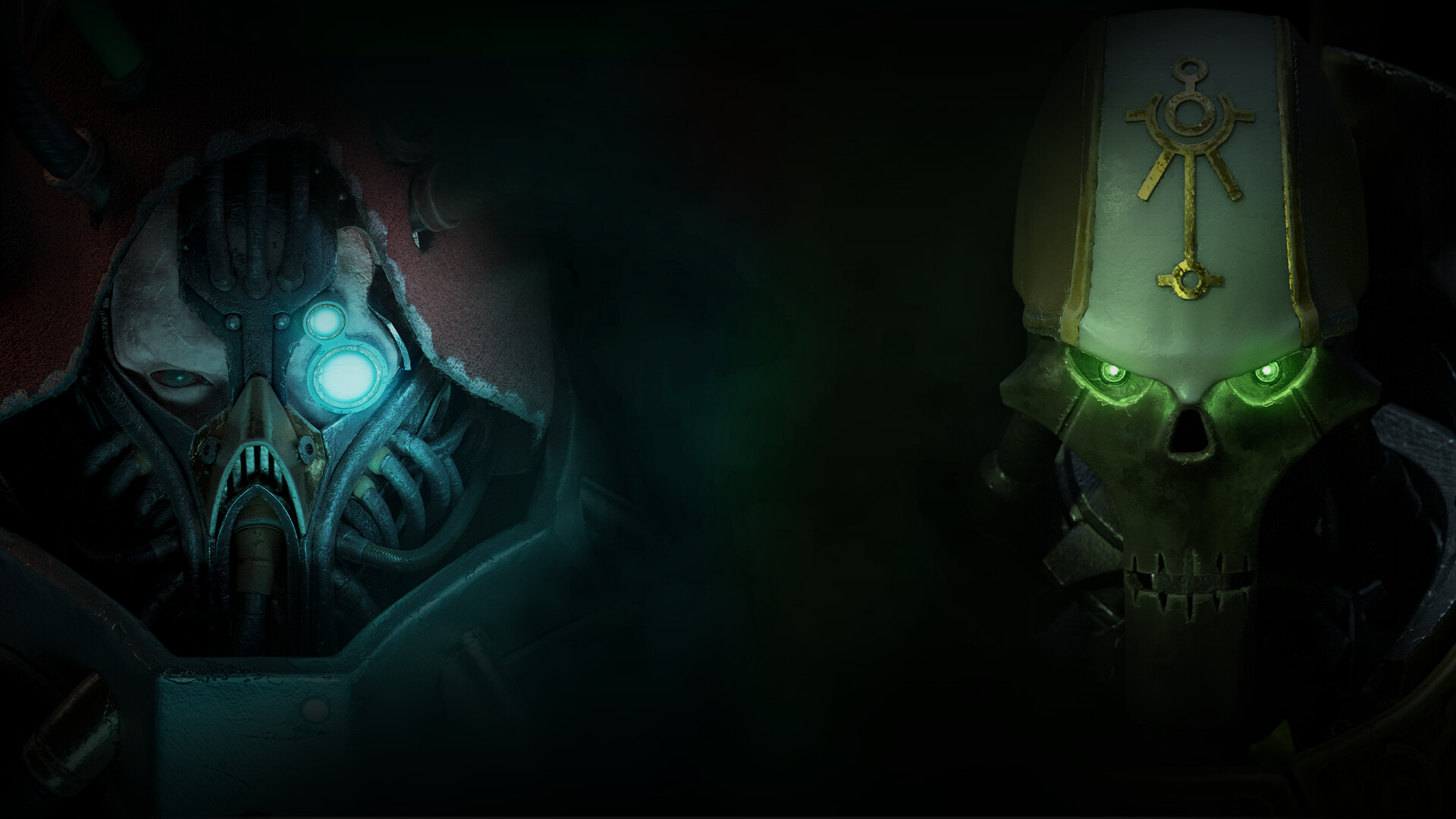
Warhammer 40,000: Mechanicus II Review
The first Mechanicus is frequently lauded in the same breath as games like Dawn of War as one of the first great video games in the Warhammer 40,000 universe. Despite the heaps of praise I’ve never gotten around to playing it myself, because while it’s right up my alley as a turn-based tactics game I really don’t care for the titular Adeptus Mechanicus (shortened to “Ad Mech” from here on out) much. Don’t get me wrong, they’re a fantastic faction in 40k for the sake of flavor and their red robes paired with intense cybernetics is an iconic look in the genre. I just don’t see the appeal of playing as the Imperium of Man’s engineers, especially since they don’t know how to change a light bulb without lighting up twelve incense burners and chanting for six hours. I much prefer the Necrons, the immortal robots and natural enemies of…
Battlestar Galactica: Scattered Hopes Review
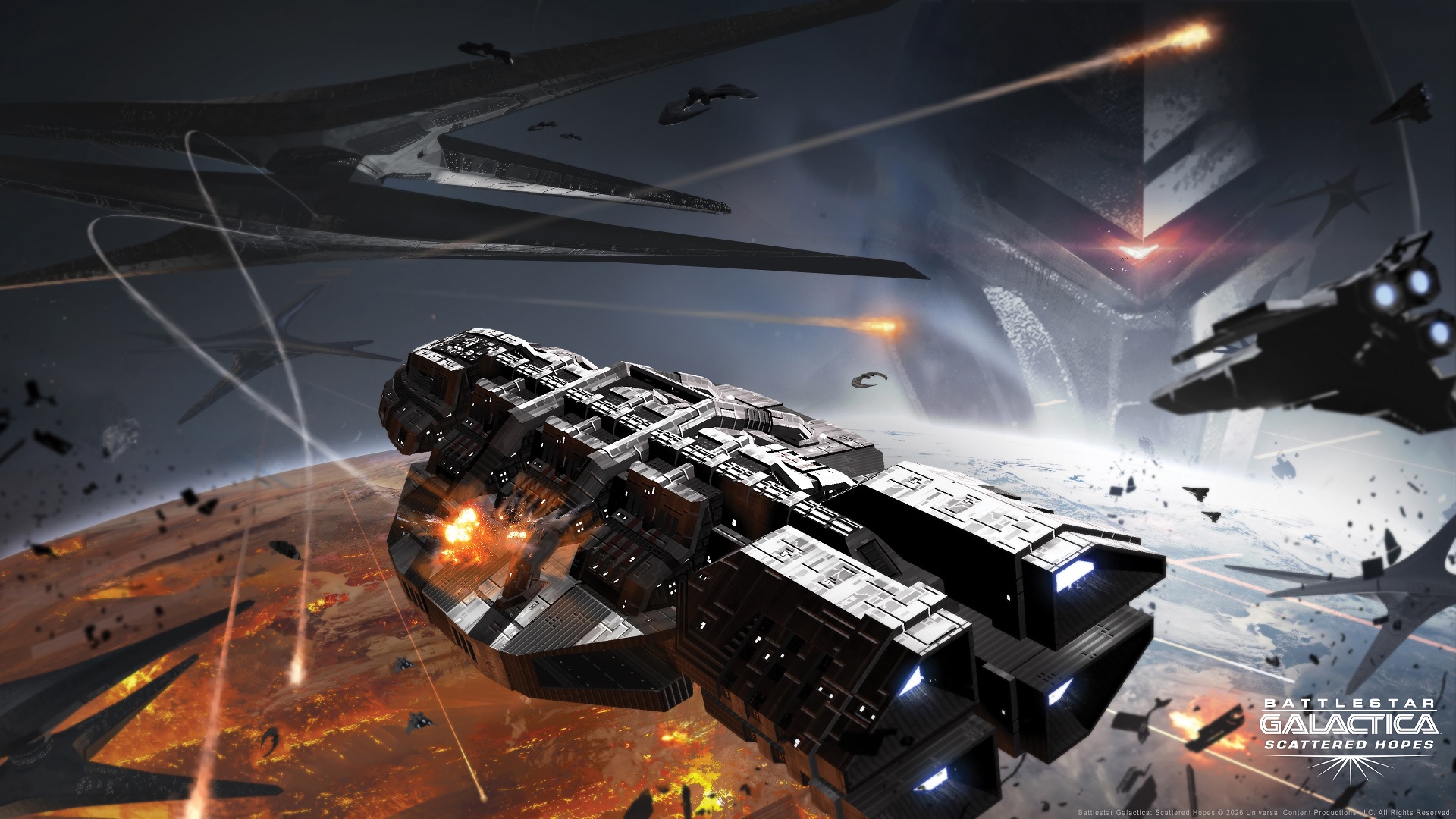
Battlestar Galactica Deadlock was a moderately well-received naval strategy game that was unfortunately delisted last year. No official reason was given for the delisting but the general assumption is that the rights expired and either the rights holders or the developers didn’t choose to renew. The lack of communication about exactly what happened plus the recent release of Battlestar Galactica: Scattered Hopes has led many in the BSG community to turn their ire on Scattered Hopes and its developer Alt Shift of Crying Suns fame, saying that Deadlock died for “a cheap, shallow, ugly mobile game.” This is unfair for numerous reasons, least of all calling something a “mobile game” just because they’re not informed enough to know what stylized graphics from an indie developer look like. As such I’m writing this to give a more nuanced take on Scattered Hopes as both a fan of the show and my…
REPLACED Review
REPLACED wasn’t a game that was on my radar to a point that I was surprised to see a number of people online actively talking about it. As near as I can tell this is driven by a general lack of great Bladerunner-esque games and some sort of enmity towards another similar game project that everyone assumes is never coming out. But as you can probably tell I haven’t done much research on the subject. What I do know is this: the game came out a month ago and I got enticed by its $20 price point, detailed pixel animations, and the promise of “brutal combat that emphasizes impact.” Combine this with a break in my schedule for new games (when I started writing this review literally every game I’m waiting for had an unknown release date) and here we are. In alternate universe 1984 (you can tell we’re off…
Resident Evil Requiem Review
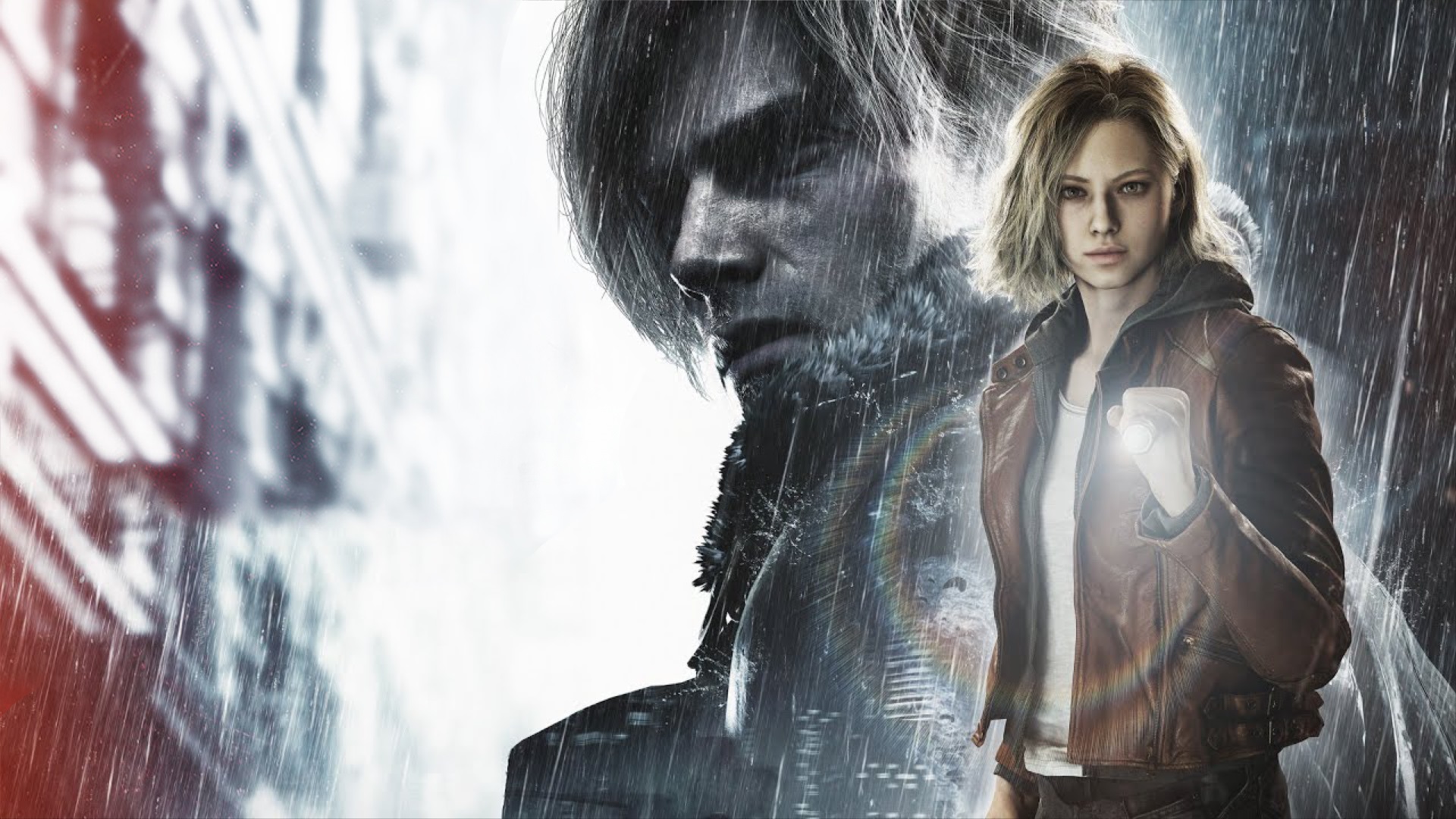
In the summer of 2025 Capcom revealed the next mainline game in the Resident Evil franchise: Resident Evil Requiem. They talked a little about its many years in development and how it had gone through several iterations before they decided to have it focus on Grace, a new character. Their explanation for this is that they wanted to have a game with a horror experience like Resident Evil 2 and 7 with Leon (the protagonist of RE2, 4, and 6) but didn’t think anything could scare Leon any more. So here was our main character Grace and they hope you enjoy it. They then went home and laughed to themselves until December 2025 where they revealed that Leon was in the game too with a completely different, more action-focused style. It’s the franchise’s 30th anniversary, after all, why not try to cram both the remake third-person gameplay and the modern first-person…

Ninja Gaiden 4 The Two Masters (DLC) review
Ninja Gaiden has never had much in the way of “story DLC.” Generally the best you’d get for more story content would be the re-releases with the Sigmas and Razor’s Edge that added new playable characters with their own one to three chapters. As such no one really knew what to expect with the recent Ninja Gaiden 4 The Two Masters DLC, outside of the two weapons advertised in the promo art. How many levels? New/returning characters? What would Yakumo and Ryu’s interactions be like after the events of the main campaign? With all those questions I can answer all of them with the same statement: not much. We’ll start with the new weapons, since that’s the main draw here in my opinion. Yakumo and Ryu get one weapon each, with Yakumo getting “Solitaire” which in its base form is a double bladed sickle but in Yakumo’s bloodraven form it turns into a scythe that looks…
Doom: The Dark Ages Review
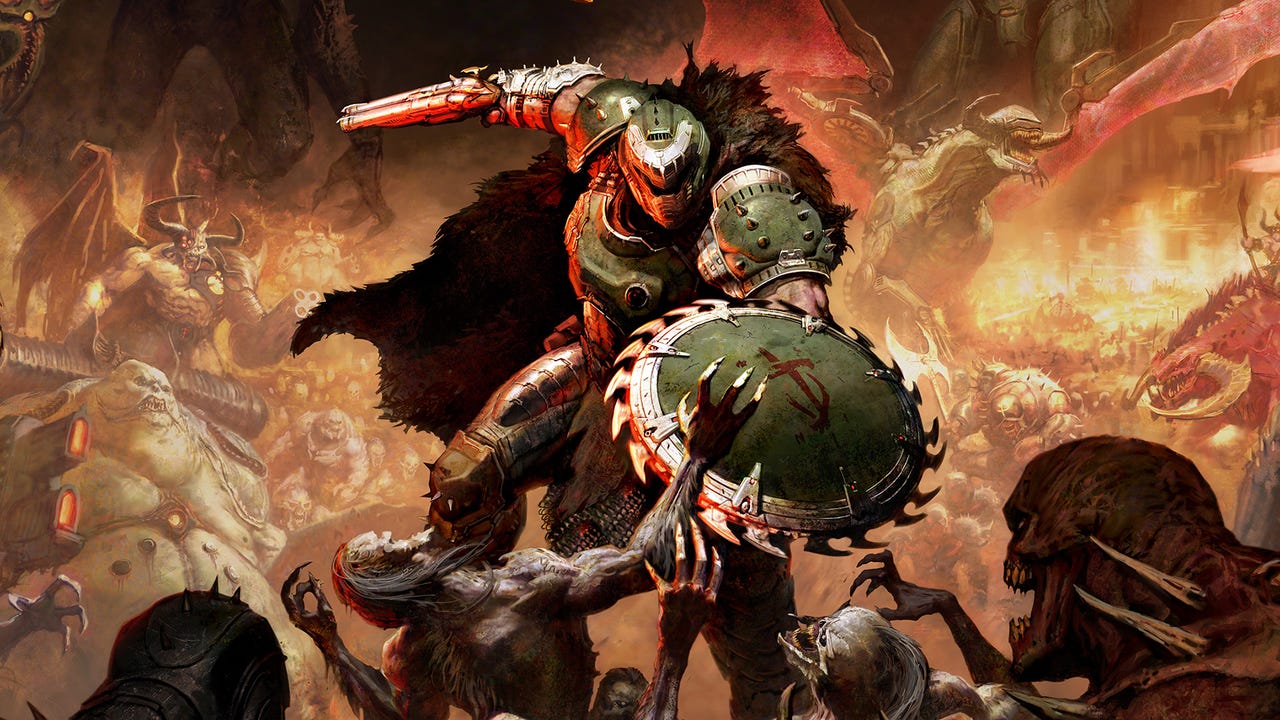
The Doom reboot in 2016 was not the most complicated game in the world but it was everything it needed to be. A straightforward gameplay loop and a story that matters as little to the player as it does to the protagonist is basically all you can ask for from Doom, where it’s all about killing demons as priorities one, two, three, four and five. Doom Eternal did what all overly-ambitious sequels do and muddied the waters with more emphasis on the story and a ridiculous amount of options in combat. These options led many players to either suffer from choice paralysis or just hit every button on their keyboard at once, and by the end felt more like you were answering multiple-choice questions rather than playing a video game. Now we have Doom: The Dark Ages, which has decided to go the “third game prequel” route while burdened by…

Dispatch Review
Telltale Games burst into the public’s eye in 2012 with The Walking Dead as a point-and-click adventure game driven by a grim “choices matter” narrative. Wikipedia calls this genre “episodic graphic adventure” but I’m the one writing here so we’re sticking with “point-and-click”. After The Walking Dead‘s success Telltale immediately bit off far more than they could chew by getting as many licensing deals as they could get their hands on and just six years later had to be shut down. Telltale’s death effectively killed this style of game as well but the community interest lingered and now the former developers have returned in two separate companies: LCG Entertainment (dba Telltale Games) and AdHoc Studio. The “return” of the genre was the new Telltale’s launch title The Expanse: A Telltale Series, which was good in its own right but didn’t capture the hearts and minds the way AdHoc Studio’s Dispatch…